
A Guide to Low-FODMAP Soy Foods | Ta Ti Hsing Tofu and Soymilk Processing Equipment
Many consumers with sensitive digestion are looking for foods that comply with a low-FODMAP diet. This article explores which soy products are suitable for this diet and explains how food processing techniques can affect the FODMAP content in soybeans. For food manufacturers, understanding how to reduce water-soluble FODMAPs through specific processes (like draining firm tofu or fermenting tempeh) is key to developing products for the health-conscious market. This not only improves the digestive comfort of soy products but also opens up new market opportunities. Choose Ta Ti Hsing for reliable tofu and soymilk processing equipment, turnkey plant planning, and application-specific production support.
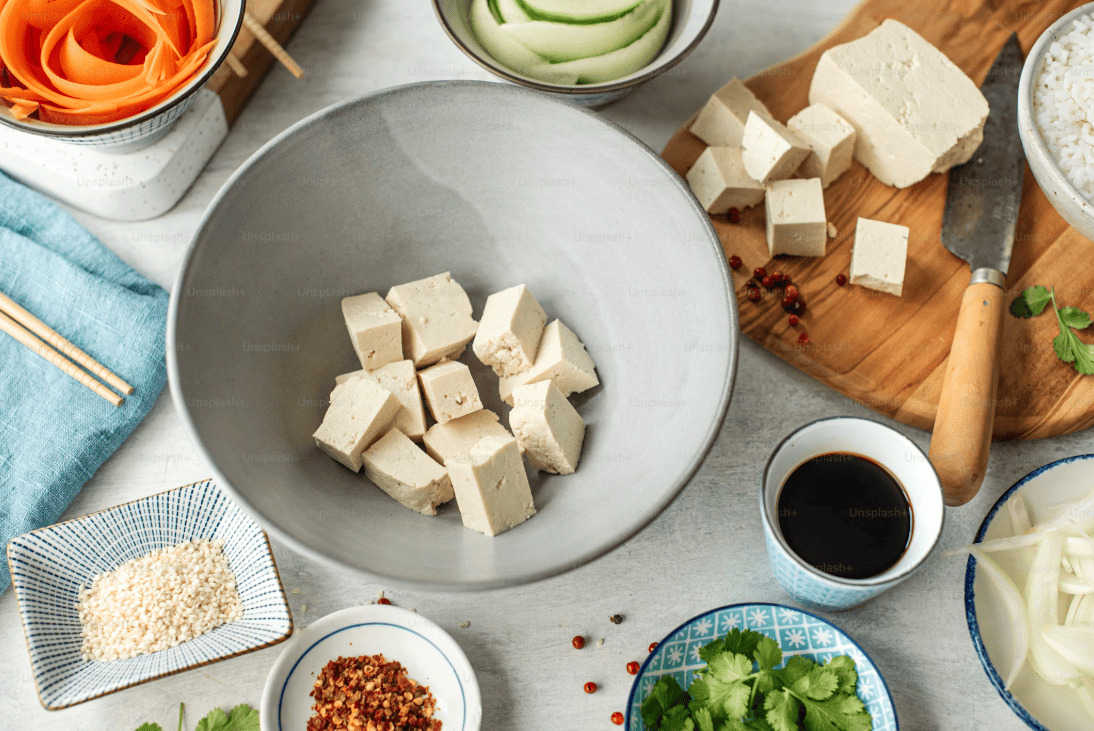
A Guide to Low-FODMAP Soy Foods
Low-FODMAP Diet Guide: Analyzing Suitable Soy Products for Sensitive Stomachs | Ta Ti Hsing
Many consumers with sensitive digestion are looking for foods that comply with a low-FODMAP diet. This article explores which soy products are suitable for this diet and explains how food processing techniques can affect the FODMAP content in soybeans. For food manufacturers, understanding how to reduce water-soluble FODMAPs through specific processes (like draining firm tofu or fermenting tempeh) is key to developing products for the health-conscious market. This not only improves the digestive comfort of soy products but also opens up new market opportunities.
A Boon for Sensitive Stomachs: Understanding the Low-FODMAP Diet
FODMAP stands for "Fermentable Oligosaccharides, Disaccharides, Monosaccharides, and Polyols." These are short-chain carbohydrates that are poorly absorbed in the small intestine, leading to fermentation and gas, which can cause discomfort like bloating and abdominal pain. For individuals with sensitive digestion or Irritable Bowel Syndrome (IBS), following a low-FODMAP diet can significantly improve digestive symptoms. However, many people mistakenly believe that all soy products are high in FODMAPs. In reality, with specific processing methods, many soy products are perfectly suitable for a low-FODMAP diet.
Which Soy Products Are Suitable for a Low-FODMAP Diet?
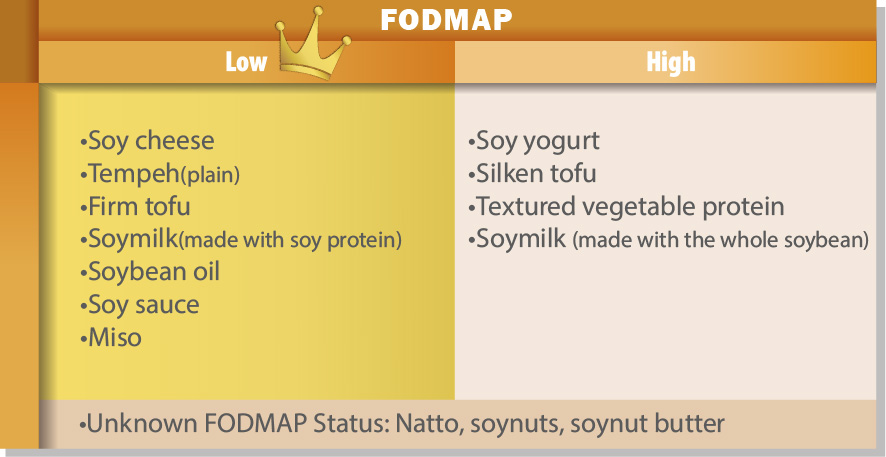
The FODMAP content of soy products varies depending on the degree of processing, fermentation, and the maturity stage of the plant. The chart below categorizes common soy products by their FODMAP levels, serving as a reference for food development and consumer choice:
How Processing Techniques Reduce FODMAP Content in Soy Products
Understanding the principles of processing is key to producing low-FODMAP soy products. Since FODMAPs are water-soluble carbohydrates, their content can be effectively reduced through the following methods:
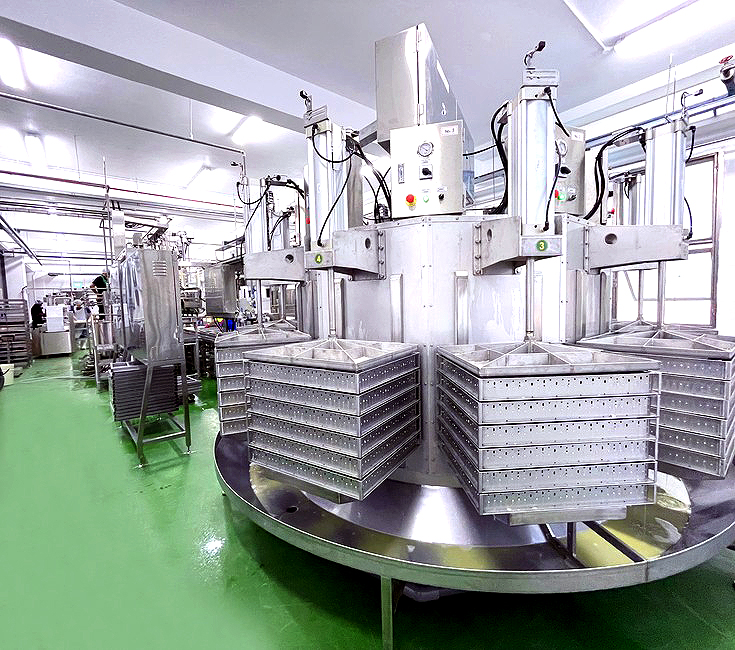
- Draining: Take firm tofu, for example. During its production, it is pressed to remove a significant amount of water. This process also removes the water-soluble oligosaccharides (a type of FODMAP), resulting in a much lower FODMAP content compared to silken tofu or tofu pudding, which are not thoroughly drained.
- Fermentation: During the fermentation of tempeh, microorganisms break down the oligosaccharides in soybeans, significantly reducing its FODMAP content. Similarly, miso and soy sauce become safe low-FODMAP options due to fermentation.
- Ingredient Selection: Whether a product is made from "whole soybeans" or "soy protein isolate" makes a significant difference. For instance, soy milk made from whole soybeans is typically high in FODMAPs, whereas soy milk made from soy protein isolate, which has had most of its carbohydrates removed, is considered low-FODMAP.
For food manufacturers, mastering these processing techniques not only enables the development of more gut-friendly products but also allows for precise targeting of the consumer market focused on health and digestive comfort, thereby enhancing brand value and competitiveness.
 Download
 A Guide to Low-FODMAP Soy Foods | Ta Ti Hsing
A Guide to Low-FODMAP Soy Foods gives food manufacturers, plant-based product teams, and equipment buyers useful context for understanding soy food applications, production decisions, or market developments.
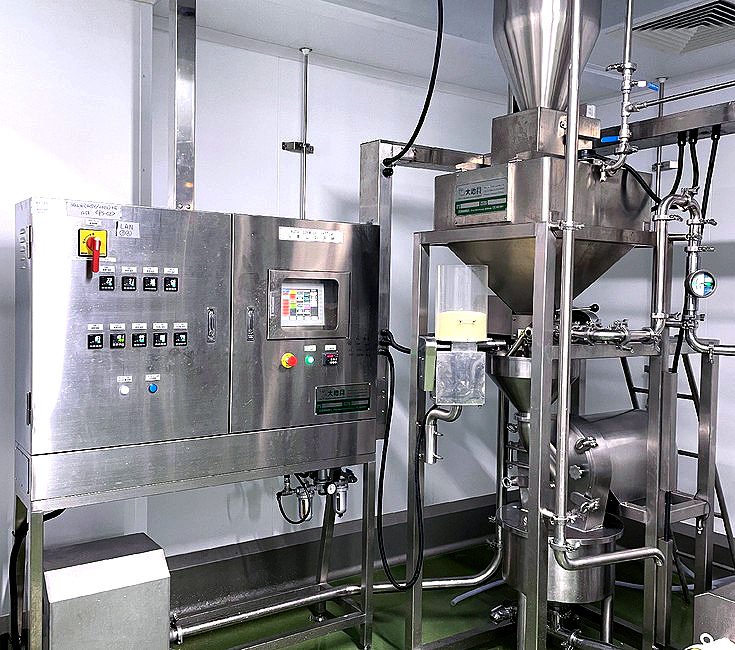
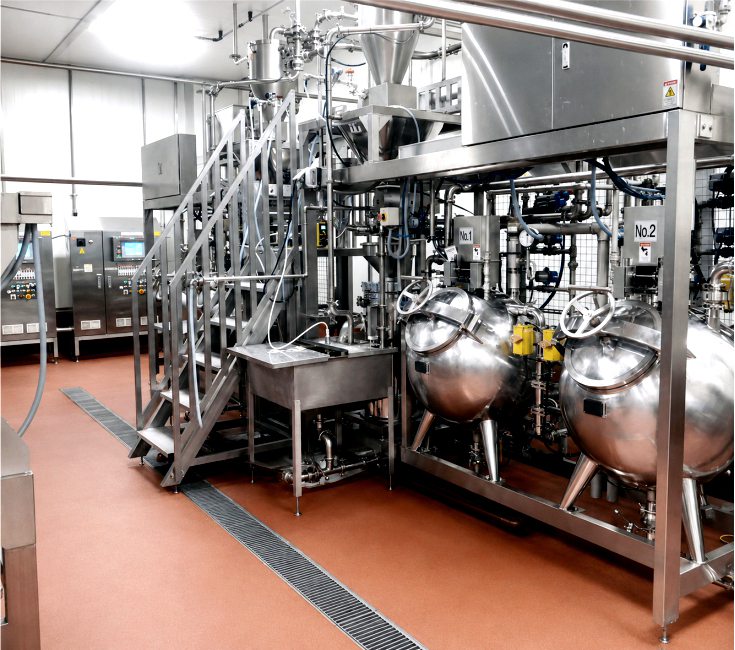
Ta Ti Hsing relates industry knowledge to real processing stages such as soybean preparation, grinding, cooking, filtering, coagulating, pressing, cutting, filling, and pasteurizing.
For equipment planning, buyers can discuss their intended product, capacity, automation level, hygiene requirements, and factory conditions with Ta Ti Hsing's project team in Taiwan.
Company Facts in Numbers
0
Years of Soyfood Machinery
0
Global Clients Worldwide
0
Patents & Certifications